Looks
better.
works
better.
we build.
Operations
For leaders navigating growth
- Structural readiness
- Diagnostics
- Operational design
- Governance
- AI readiness
- Coaching

Create Structural Readinessfor seamless implementation
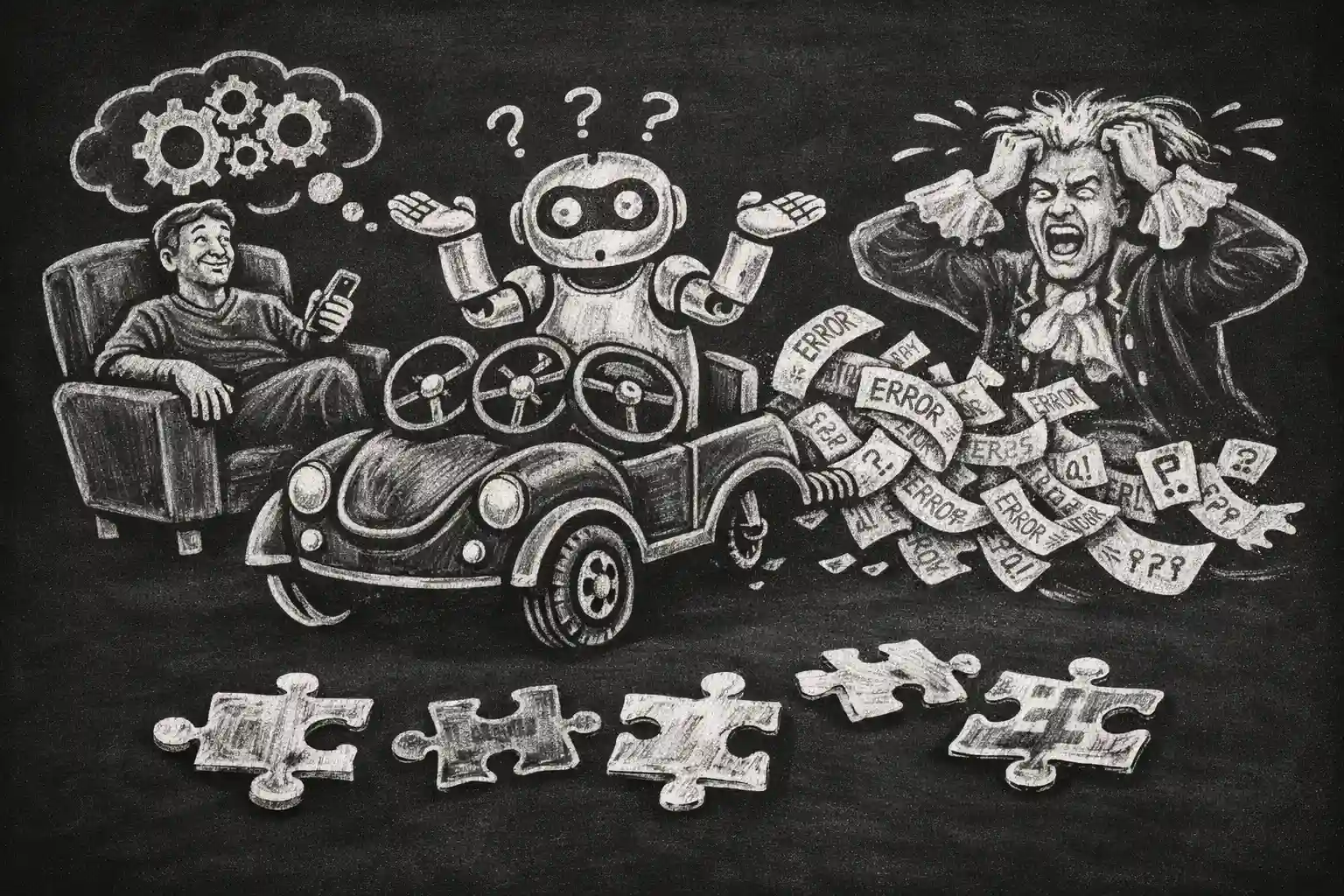
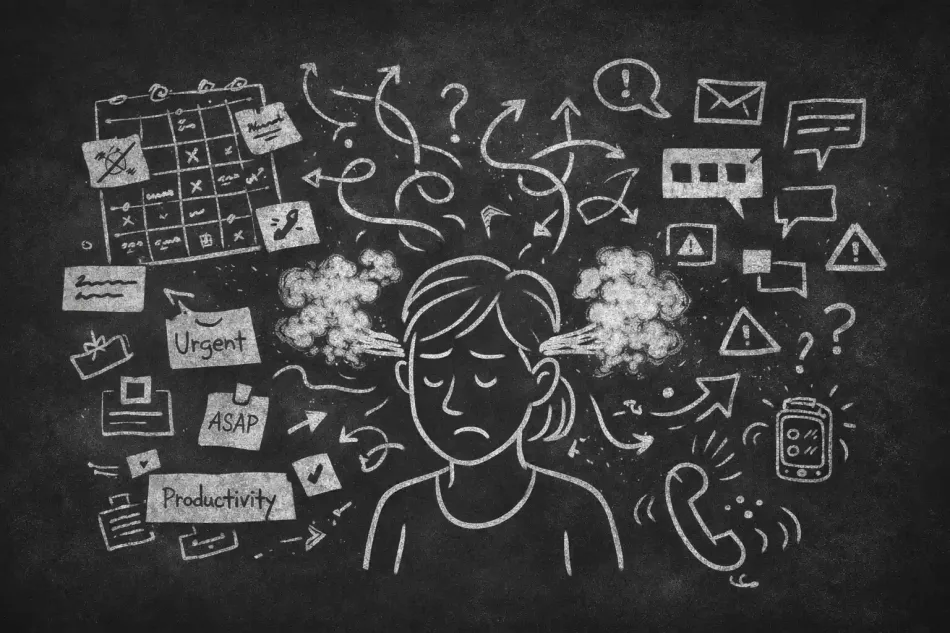
Companies need practical frameworks and clear steps to create structural readiness and operations that stay stable even in the midst of change. In reality, decades of layered decisions often create systems that are too rigid to adapt, too fragile to scale, and too tangled for process automation.
We examine all business layers and fix real problems, as an external operations partner or in a fractional COO capacity.
Action begets action
What improves after business restructuring?
The structure becomes adaptive instead of stalling in escalation. The organization becomes resilient to crisis and ready for growth.
Explore governance→Navigate with clarity
Engagement Models
Our organizational development consulting takes three forms: hands-on project work, advisory support and coaching. SMEs benefit from senior expertise without the overhead of a large consulting firm. For enterprise programs, we draw on our network of experts to provide integrated capabilities through one point of contact.
If structure matters more than trends, we should speak.
Book a call
What structural readiness covers
Operations
Continue reading↓



Build your engine
Operational Design
A disciplined, stage-gated methodology ensures the new operating model is designed, stress-tested, and implemented without disrupting the live organization.
The final architecture delivers a definitive digital blueprint, ensuring your business runs independently.
Structure
Define ownership, tools, workflows and systems.
Simulate
Test the structure outside the live organization.
Implement
Apply the structural and system changes.
Stabilize
Confirm the changes and embed ownership.

f.a.q.
You have questions, we have answers!
How do I know if my company lacks structural readiness?
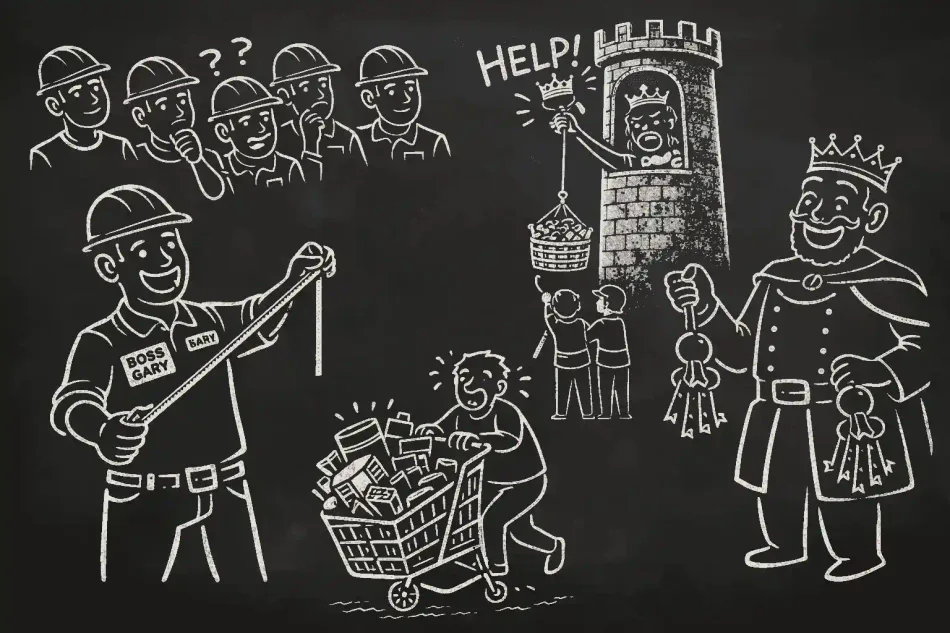
Four signs show up long before anyone names the cause. The same work gets done twice. You deal with the same frictions over and over again. Decisions wait for a meeting that keeps needing another one. People build private workarounds because the official path is too slow. Each one is a symptom of unclear ownership, not of weak people. Structural readiness means the answer to “who decides this” is the same no matter whom you ask.
Do you work as a fractional COO?
Yes, where that is the right fit. A fractional COO arrangement makes sense when the structure is sound but nobody owns execution day to day. Where the structure itself is the problem, a diagnostic and redesign delivers more than an interim seat in the org chart. So we establish which of the two you are dealing with before agreeing a model.
When is it worth automating a process?
When the process is stable, owned by one person, and ran the same way twice in a row. Process automation multiplies whatever it touches. A clean process gets faster, a tangled one gets faster at producing the wrong result. If ownership is unclear, fix that first: automation will not settle the argument, it will only run it at machine speed.
How long does an organizational development project take?
The timeline for organizational development consulting depends on the size of the company and of the project. For an SME, a diagnostic usually takes two to six weeks. Business restructuring and rollout depend on size as well, and on how many departments need fixing. The first structural changes can be live within a quarter, or take considerably longer. We work in stages, with a decision point at the end of each. You never commit to twelve months on the strength of a kickoff meeting.